

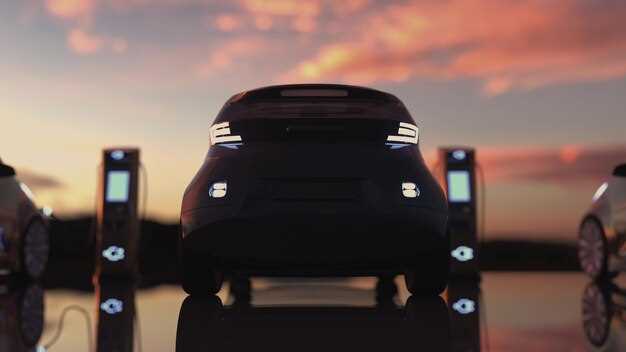
As the automotive industry undergoes a significant transformation, Toyota is poised to launch an impressive lineup of electric vehicles (EVs) by 2025. This strategic shift highlights the company’s commitment to sustainability and innovation, addressing the growing demand for eco-friendly transportation solutions. With pioneering technology and robust designs, Toyota aims to redefine the future of mobility.
The forthcoming electric lineup reflects Toyota’s dedication to evolving its brand while maintaining the reliability and performance it is renowned for. Anticipated models include a diverse range of vehicles, catering to various consumer preferences and needs. From compact city cars to spacious family SUVs, each EV promises to deliver an exceptional driving experience while minimizing environmental impact.
In addition to enticing new models, Toyota plans to enhance its charging infrastructure and improve battery technology, ensuring that its electric vehicles are not only accessible but also efficient and practical for everyday use. As we approach 2025, the anticipation surrounding Toyota’s electric vehicle lineup continues to build, leaving automotive enthusiasts eager for what’s to come.
Key Features of Toyota’s Latest EV Models
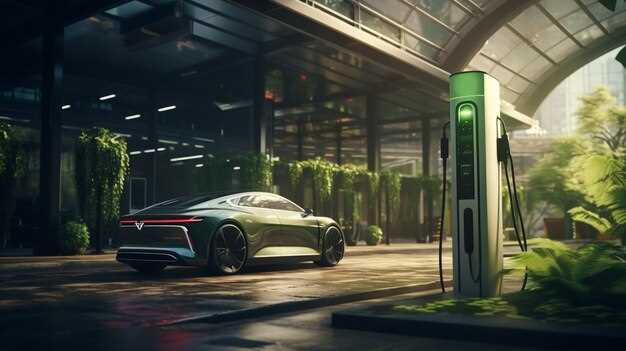
Toyota’s new electric vehicle lineup showcases innovative technology, sustainability, and advanced safety features, catering to modern drivers’ needs. Each model incorporates Toyota’s pioneering electric platform, which enhances efficiency and performance.
One of the standout features is the cutting-edge battery technology that delivers extended range while maintaining a compact design. This ensures that drivers can enjoy longer journeys with fewer charging stops. Additionally, fast-charging capabilities reduce downtime, making daily usability more convenient.
The lineup also boasts sophisticated aerodynamics and lightweight materials, leading to improved energy efficiency and driving dynamics. This focus on reducing drag not only enhances performance but also contributes to the overall sustainability ethos of Toyota’s EV initiative.
Advanced safety systems are a hallmark of Toyota vehicles, and the latest EV models integrate state-of-the-art driver assistance features. These include adaptive cruise control, lane-keeping assist, and collision avoidance systems, ensuring a safer driving experience.
Moreover, each model is designed with user-friendly technology interfaces. Toyota’s infotainment system offers seamless smartphone integration, voice recognition, and intuitive navigation, making it easier for drivers to stay connected on the road.
The aesthetic design of Toyota’s electric vehicles reflects a modern and dynamic approach, appealing to consumers looking for style without compromising functionality. The interior focuses on comfort, spaciousness, and sustainable materials, enhancing the overall driving experience.
With this impressive combination of features, Toyota’s latest electric lineup is set to redefine the standards of electric mobility, embodying the brand’s commitment to innovation and environmental responsibility.
Comparative Analysis of Toyota EVs vs. Competitors
Toyota’s upcoming electric vehicle lineup for 2025 presents a significant shift in the automotive landscape, as the company transitions to fully embrace the EV market. This analysis compares Toyota’s electric offerings with those of key competitors, focusing on performance, range, technology, and pricing.
In terms of performance, Toyota’s EVs are designed to deliver a balance of power and efficiency. For example, the anticipated Toyota bZ series aims to incorporate advanced electric drivetrains, providing responsive acceleration while maintaining optimal energy consumption. In contrast, competitors like Tesla have set a high bar with their impressive acceleration and handling, often appealing to a performance-oriented audience.
Range is a critical consideration for prospective EV buyers. Toyota’s new lineup is expected to emphasize a competitive range, potentially exceeding 300 miles on a single charge. However, brands such as Ford and Hyundai have already introduced models that provide similar or superior ranges, which may influence consumer choices. Additionally, Toyota’s innovative battery technology is crucial in narrowing this gap, as advancements could enhance the longevity and efficiency of their EV batteries.
Technology integration is another area where manufacturers differ significantly. Toyota’s electric vehicles are anticipated to feature the latest in infotainment systems and connectivity options, aiming to offer a seamless user experience. On the other hand, brands like Rivian and Lucid Motors focus heavily on advanced driver-assistance systems and software capabilities, pushing the envelope in tech-heavy features that resonate with tech-savvy customers.
Finally, pricing will play a vital role in Toyota’s success in the EV sector. While Toyota traditionally positions itself as a value-oriented brand, ensuring affordability across its lineup could help it capture a broader market segment. Competing EVs often come with high price tags that can deter mainstream buyers, giving Toyota a potential advantage if it can maintain competitive pricing while not sacrificing quality or features.
In conclusion, the effectiveness of Toyota’s electric vehicle lineup in competing with rivals will depend on its ability to balance performance, range, technology, and pricing. As the 2025 launch approaches, it will be essential for Toyota to leverage its reputation for reliability and efficiency while benchmarking against the innovative solutions offered by its competitors.
Charging Infrastructure and Ownership Costs for New Toyota EVs
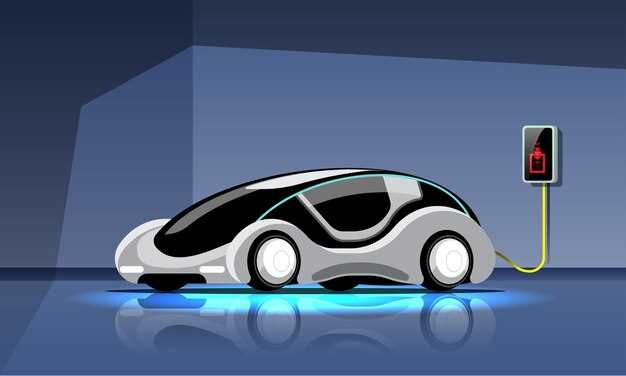
The expansion of Toyota’s electric vehicle (EV) lineup for 2025 involves significant considerations regarding charging infrastructure and the associated ownership costs. As the demand for sustainable transportation increases, the availability and accessibility of charging stations are crucial for potential EV buyers. Toyota is committed to collaborating with charging network providers to enhance the charging landscape, ensuring that drivers have convenient access to fast-charging options across urban and rural areas.
Home charging solutions will also play a pivotal role in Toyota’s strategy. The new EV models will be compatible with standard home charging units, allowing owners to charge their vehicles overnight. This convenience can lead to lower overall ownership costs, as charging at home is often less expensive compared to public charging stations, especially during off-peak hours.
In terms of ownership costs, Toyota aims to keep these expenses manageable for its customers. The anticipated pricing for the upcoming EV lineup is positioned competitively within the market, with potential incentives available through government programs. Furthermore, lower maintenance costs associated with EVs, due to fewer moving parts compared to traditional internal combustion engines, will reduce long-term expenses for owners.
Overall, the successful integration of charging infrastructure with Toyota’s new EV lineup is essential to enhance user experience and promote wider adoption. By focusing on both charging options and ownership affordability, Toyota is set to make electric mobility an attractive choice for a diverse range of consumers.


